
Music Branding in Sports: Lessons from WAFCON & UEFA Women’s EURO
August 23, 2025
Women’s football is experiencing an unprecedented global surge, transforming major tournaments into premier platforms for cultural storytelling and commercial growth. Central to this evolution is music branding in sports, a strategic tool that elevates broadcast production, stadium atmospheres, and sponsor visibility. However, translating fan energy into commercial return requires a clear blueprint for sports music licensing and campaign execution.
This opportunity is particularly relevant to women’s football, where major tournaments are expanding the sport’s cultural and commercial reach. The Women’s Africa Cup of Nations (WAFCON) celebrates the flair and passion of African women’s football, while the UEFA Women’s EUROs offers a useful example of how strategic brand partnerships can extend a tournament’s appeal beyond the pitch.
By observing global campaigns, it is clear that a strong sonic branding in sports marketing can both amplify excitement and emotionally connect fans, enhancing the overall identity of a tournament.
The Growing Value of Sound in Modern Football
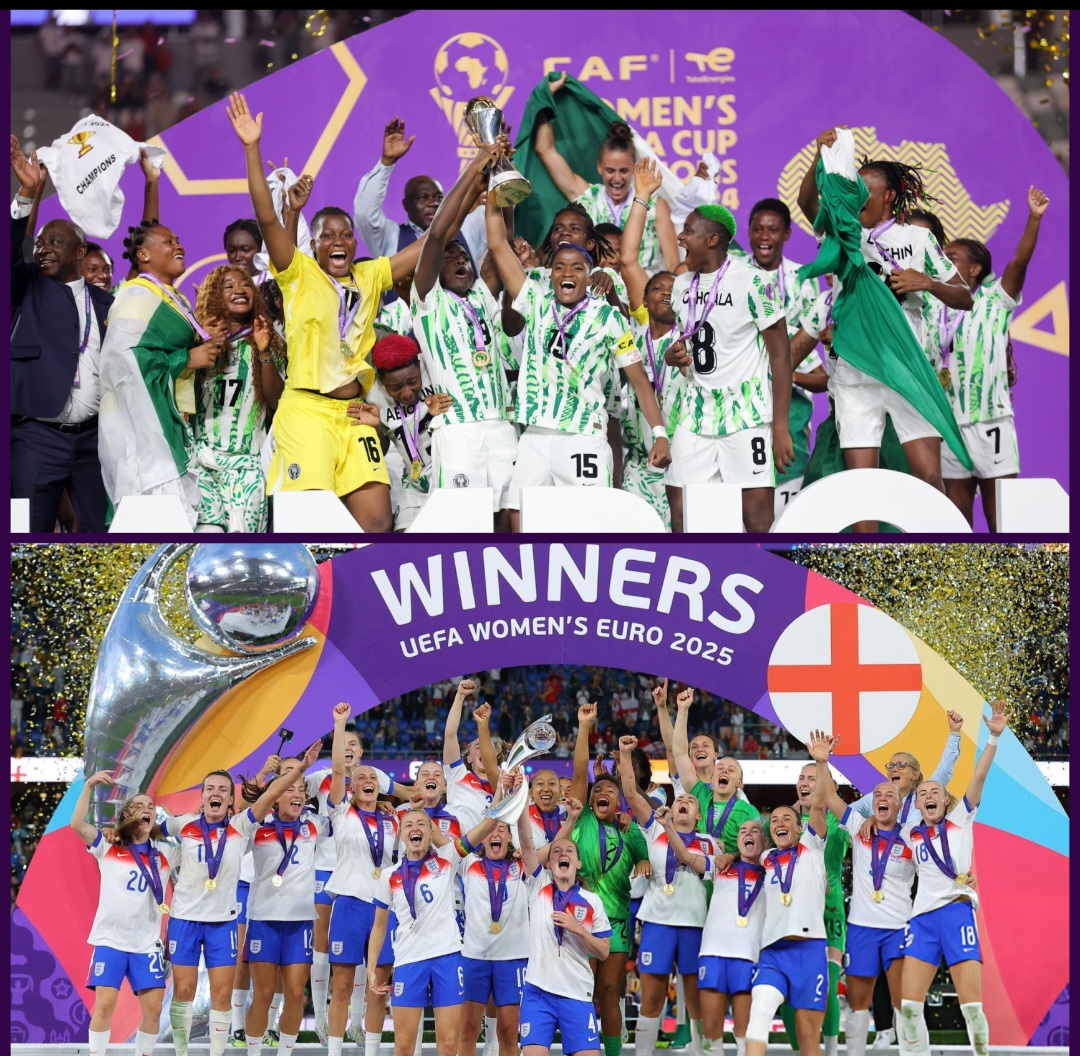
The UEFA Women’s EURO 2025 marked a turning point for women’s football, drawing 20 official sponsors and generating €33 million in sponsorship revenue. But beyond the visibility, a defining element of the tournament’s success was how brands used music as a strategic storytelling device.
The BBC set the tone with its claymation trailer “Names Will Be Made”, using “Heads Will Roll (2009)” by Yeah Yeah Yeahs.
The energetic, edgy track paired perfectly with stop-motion visuals of European stars in the Swiss Alps, giving the audience an exciting opening moment and building anticipation before a single match kicked off.
Adidas followed, delivering one of the most emotionally intelligent campaigns of the season with another installment in its “You Got This” series. This time, it featured European stars like Aitana Bonmatí and Alessia Russo, with The Velvet Underground’s “I’m Sticking With You (1985)” crooning in the background.
The spot highlighted the camaraderie and quiet strength of elite players and, by an uncanny twist of fate, foreshadowed the actual tournament final between Spain and England, with Bonmatí and Russo at the heart of their respective squads. The campaign’s emotional power lingered long after the film ended, showing how music can encode memory and deepen the stakes of sport.
Lidl’s “Never Stop Growing” campaign was equally effective in aligning brand values with the energy of the tournament.
Using Sia’s “Unstoppable (2016)” to frame the core of the spot, Lidl tapped into the cultural capital of music to speak to young girls directly. The song’s emotive arc reinforced the message that resilience and growth are the essence of sport, not just its byproducts.
Even in earlier iterations of the Women’s EUROs, music already played a role in shaping its cultural identity.
Nike’s 2022 campaign “Never Settle, Never Done” used Little Simz’s “Venom (2019)” to fuel a high-octane, visually rich portrayal of women athletes challenging the status quo.
UEFA’s investment into the Women’s EUROs continues to grow, and with it, the appetite for brand partnerships that go beyond logos on screens. There is clear market enthusiasm. European sponsors are no longer treating women’s football as an afterthought, but rather as a strategic opportunity to connect with younger, more values-driven audiences.
For WAFCON, the path forward is clear. African brands and tournament stakeholders have a rich sound culture to draw from. Music campaigns, competition anthems, branded playlists, and films scored with Afrobeats, Amapiano, or regional folk rhythms can inject powerful emotion into the tournament’s identity.
It must look inward to its sonic wealth and outward to global best practices.
Although, the UEFA’s Women’s EUROs are not perfect yet. The journey toward a truly iconic musical identity is still in motion and the growth is real. The commitment to narrative and culture is growing. And that in itself is commendable.
For African football stakeholders, the lesson is simple. Don’t wait.
The time to give WAFCON its own cultural moments, and memories is now. If identity is what drives cultural longevity, then music is the heartbeat that keeps it alive.
6 Ways to Use Sonic Branding in Sports Marketing, Insights for WAFCON
WAFCON is undoubtedly growing as a major sporting event in Africa. CAF has increased the prize pool, and visibility is expanding, but when it comes to integrating music as a strategic and cultural asset, the tournament still trails behind.
Most brand activations at WAFCON still focus on the traditional kits, pitch-side boards, and digital banners while overlooking the emotional and cultural depth that music brings to sporting experiences.
Inspired by examples from the UEFA Women’s EUROs, here are six (6) Branding Potential for WAFCON 2026:
- Curated Soundtracks for Match Days
Curated soundtracks, artist partnerships, and strategic music licensing are largely absent from the WAFCON playbook.
Very few artists or rights holders are engaged to create tournament-specific content, which means lost opportunities for sync deals, cross-promotion, and audience engagement.
For WAFCON 2026, official match-day playlists highlighting the musical diversity of participating nations could elevate stadium and broadcast experiences, strengthen emotional connections, and create lasting cultural and commercial impact.
- Artist Collaborations for Anthem Creation
Partnering with renowned African artists to create official WAFCON anthems can amplify the tournament’s spirit and cultural significance.
These anthems can be featured in promotional campaigns, broadcast segments, and live events, creating signature musical moments that resonate with fans and enhance the tournament’s identity.
Music-led storytelling like this also offers sponsors an emotionally engaging platform to connect with fans.
- Incorporation of Music into Broadcast Themes
Collaborate with broadcasters to develop unique musical themes for the tournament.
For instance, ITV’s original composition for the Women’s Euro 2025, inspired by Swiss music, set a distinctive tone for the event. A similar approach can be adopted to give WAFCON a unique auditory identity.
WAFCON could collaborate with composers or artists to create signature soundscapes for match intros, highlights, and transition segments. This approach enhances fan immersion and reinforces the tournament’s brand across all viewing platforms.
- Fan Engagement through Music-Based Campaigns
Launch social media challenges and campaigns encouraging fans to create content using tournament-themed music. This user-generated content can increase engagement and promote the tournament organically.
- Strategic Partnerships with Music Platforms
Collaborate with streaming services like Boomplay, Spotify, and Audiomack to feature WAFCON-themed playlists, exclusive tracks, and behind-the-scenes content.
These partnerships can expand the tournament’s reach, attract a wider audience, and provide sponsors with innovative channels for brand storytelling, similar to how the UEFA Women’s EUROs leveraged Amazon Music for curated content.
- Localized Brand Activations
Global and local brands can craft campaigns tailored to African markets using music, cultural storytelling, and live experiences. Activations could include stadium performances, interactive playlists, community events, or fan competitions to increase brand affinity and drive engagement across diverse demographics.
Challenges Facing Music Integration in Continental Competition Sponsorship
While the opportunities for music integration in continental competitions are promising, they come with several challenges, some of which includes:
(i) Budget misalignment : Music partnerships often fall outside the core sponsorship strategy, especially when music is not recognized as a primary activation channel.
Sports marketing teams tend to prioritize pitch-side branding, team apparel, and digital visibility, sometimes overlooking the emotional power and marketing potential of music.
As a result, there may be no dedicated funding for licensing a soundtrack, commissioning an anthem, or collaborating with artists, yet these efforts are often what drive the most lasting fan connection.
(ii) Siloed planning: Brand teams responsible for music, advertising, and sports marketing often work independently. This disconnect can lead to missed opportunities to build cohesive, campaign-wide activations powered by a unifying sound or artist partnership.
When music is brought in as an afterthought rather than integrated from the start, its potential impact is limited.
(iii) Rights management and creative alignment: There are also practical concerns around rights management and creative alignment. Crafting an official anthem or branded music campaign requires early negotiation with artists, producers, and rights holders. This demands time, clarity, and a good understanding of the licensing process.
Without in-house music expertise or clear timelines, sponsors may shy away from this route, even if it holds significant promise.
That’s the creative solution we offer at SpringSound Music. We help African brands and rights holders navigate the creative and legal sides of music use.
We source original tracks, clear existing works, and supervise how music is used across campaigns. Our experience ensures that music not only fits the story but is also properly licensed, on time, and within budget.
(iv) Limited Access to Local Music Expertise: Creating authentic, tournament-specific music requires collaboration with producers, artists, and cultural consultants who understand both the local soundscape and the sporting context.
In some regions, brands or organizers may have limited access to this expertise, making it harder to develop campaigns that feel authentic, culturally resonant, and impactful.
(iv) Limited precedent: The challenge of limited precedent must be acknowledged in the context of women’s football. Unlike in men’s football, where music campaigns are more established, continental competitions like WAFCON are still building their commercial identity.
There are fewer high-profile case studies to reference, which can make sponsors hesitant. They may ask: “will a branded anthem move the needle? Will music truly resonate with our target market?”
These are valid concerns, but they should inspire curiosity rather than caution. Music has the power to define the spirit of a tournament and add long-term cultural value to sponsorships.
The Women’s EUROs is already charting this path, demonstrating the potential of intentional music integration. And the real challenge may not be in the execution, but in imagining what is possible when music becomes part of the strategy from the start.
At Spring Sound we help African brands and rights holders navigate the creative and legal complexities of music integration. From sourcing original tracks to clearing existing works and supervising their use across campaigns, we ensure that music is not only compelling but also strategically aligned, properly licensed, and delivered on time.
Our work has helped brands turn music into a storytelling engine that drives engagement, emotional connection, and commercial impact, proving that intentional music integration can transform sponsorship campaigns in Africa’s sporting landscape.
Conclusion
As WAFCON continues to grow in prestige and global visibility, integrating music into its branding and sponsorship strategy presents both a creative opportunity and a business advantage. The UEFA Women’s EUROs has already demonstrated how music can elevate a tournament’s identity, turning campaigns into cultural moments that resonate with fans.
WAFCON is uniquely positioned to harness this same creative potential. Music can shape how the tournament is remembered, increase fan loyalty, and create fresh storytelling opportunities for sponsors seeking more than traditional brand visibility.
Achieving this impact requires more than inspiration. It demands strategic alignment, early planning, and collaboration between sports marketers, sponsors, music supervisors, and rights holders.
The reward is a tournament with a sonic presence as compelling as the action on the pitch and a branding system that extends far beyond the stadium.
